Alarm Systems Must Be "Trustworthy" First, Not "More Sensitive"
Reduce False Alarms First, Then Improve Response Capabilities (Verifiable, Disposable, Sustainable)
Security Alarm System Overview
The security alarm industry faces a fundamental challenge that has persisted for decades: the overwhelming prevalence of false alarms. Industry research consistently demonstrates that false alarm rates exceed ninety-five percent across most conventional alarm systems, creating a cascade of negative consequences that undermine the entire security infrastructure. This crisis of trust has led to response fatigue among security personnel, wasted resources, and ultimately, a dangerous complacency that leaves genuine security threats unaddressed. The traditional approach of increasing sensor sensitivity has paradoxically exacerbated the problem, generating more false positives while failing to improve actual security outcomes.
The path forward requires a fundamental paradigm shift in how we conceptualize and implement alarm systems. Rather than pursuing ever-greater sensitivity in detection mechanisms, the industry must prioritize trustworthiness through comprehensive verification protocols. This approach recognizes that an alarm system's value lies not in its ability to detect every possible anomaly, but in its capacity to accurately distinguish genuine threats from benign events. By implementing multi-layered verification processes, integrating artificial intelligence for pattern recognition, and establishing robust human confirmation protocols, modern alarm systems can achieve the reliability that has long eluded the industry.
This comprehensive framework addresses three critical dimensions of alarm system effectiveness: verifiability, disposability, and sustainability. Verifiability ensures that every alarm can be confirmed through multiple independent channels before triggering a response. Disposability refers to the system's ability to efficiently filter out false alarms without consuming valuable resources. Sustainability encompasses the long-term operational viability of the system, including cost-effectiveness, scalability, and continuous improvement through data-driven optimization. Together, these principles form the foundation for a new generation of alarm systems that can finally deliver on the promise of reliable, trustworthy security monitoring.
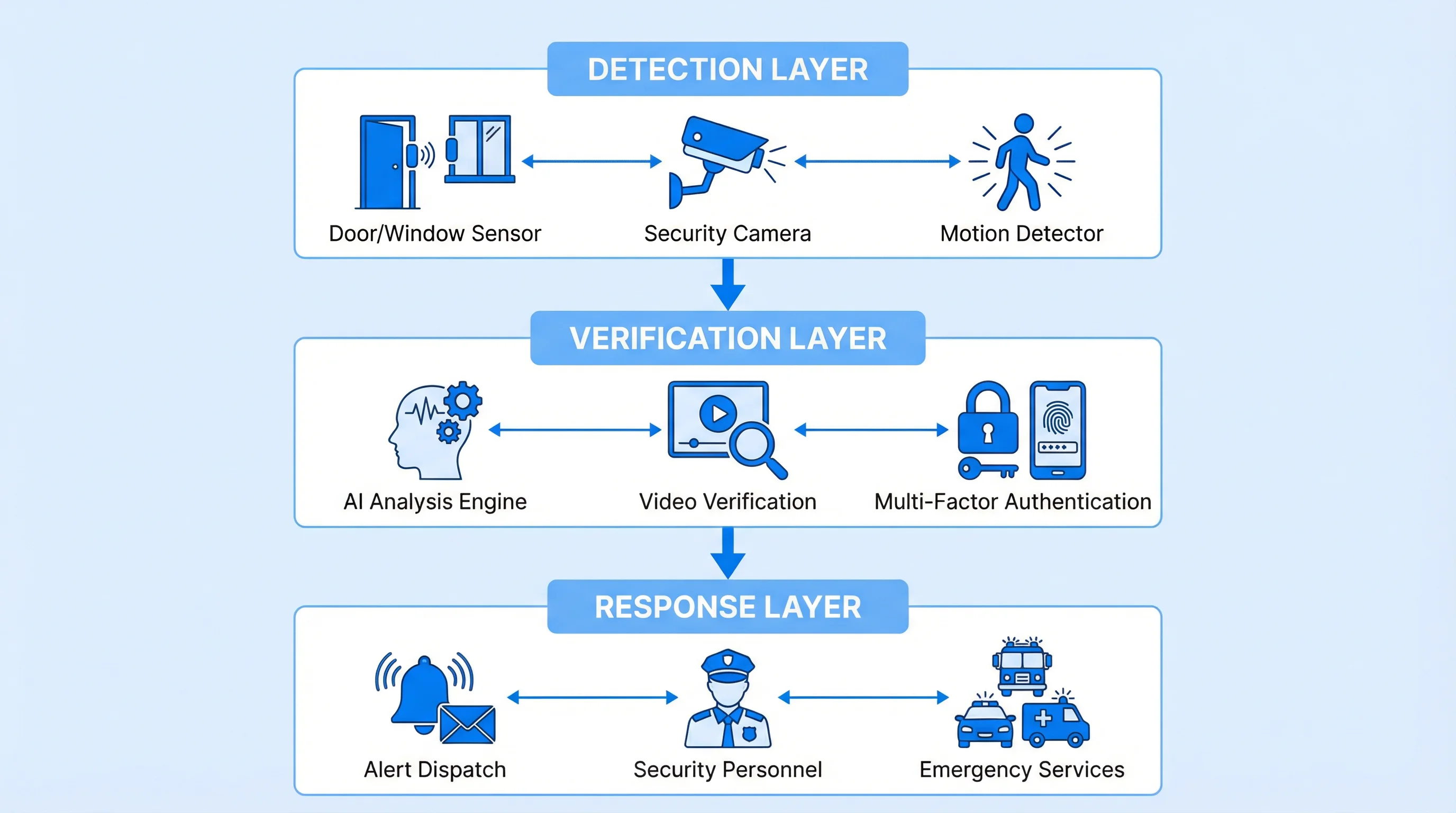
Figure 1.1: Three-Layer Architecture for Trustworthy Alarm Systems
Key Features of Modern Alarm Systems
- Multi-layer verification protocols that cross-reference multiple data sources before generating alerts
- Artificial intelligence integration for pattern recognition and anomaly detection with contextual awareness
- Real-time video verification capabilities that provide visual confirmation of alarm events
- Intelligent dispatching systems that optimize resource allocation based on threat assessment
- Comprehensive data analytics for continuous system improvement and false alarm reduction
- Scalable architecture that supports growth from small installations to enterprise-wide deployments
- Integration capabilities with existing security infrastructure and emergency response systems
- User-friendly interfaces that facilitate rapid decision-making during critical incidents