Response Capability Enhancement
Optimizing security response effectiveness through intelligent resource allocation and rapid assessment
3.1 Rapid Response Systems
The effectiveness of any alarm system ultimately depends on the quality and timeliness of the response it generates when genuine security threats occur. Reducing false alarms creates the foundation for improved response capabilities by ensuring that security resources are not wasted on non-events, but this foundation must be complemented by systematic improvements to response processes, technologies, and protocols. Modern rapid response systems leverage advanced communication technologies, real-time information sharing, and intelligent decision support to dramatically reduce response times while improving the accuracy and appropriateness of security responses.
Real-time situational awareness represents the cornerstone of effective rapid response systems. When an alarm event occurs, responders need immediate access to comprehensive information about the situation including the specific nature and location of the alarm trigger, video verification footage showing current conditions, building layouts and access routes, information about occupants and authorized personnel, historical alarm data for the location, and environmental conditions that may affect response strategies. Modern response systems integrate data from multiple sources to create unified situational awareness displays that present all relevant information in an intuitive format that enables rapid assessment and decision-making.
Communication infrastructure improvements have transformed the speed and reliability with which alarm information reaches responders and enables coordination during security incidents. Legacy alarm systems often relied on telephone calls or pager notifications that introduced significant delays and provided limited information to responders. Modern systems utilize high-speed data networks to transmit rich multimedia information including video, audio, sensor data, and contextual information instantaneously to responders wherever they are located. Mobile applications enable security personnel to receive detailed alarm information on smartphones or tablets, view live video feeds, access building information, and coordinate with other responders in real-time, dramatically reducing response times and improving response effectiveness.
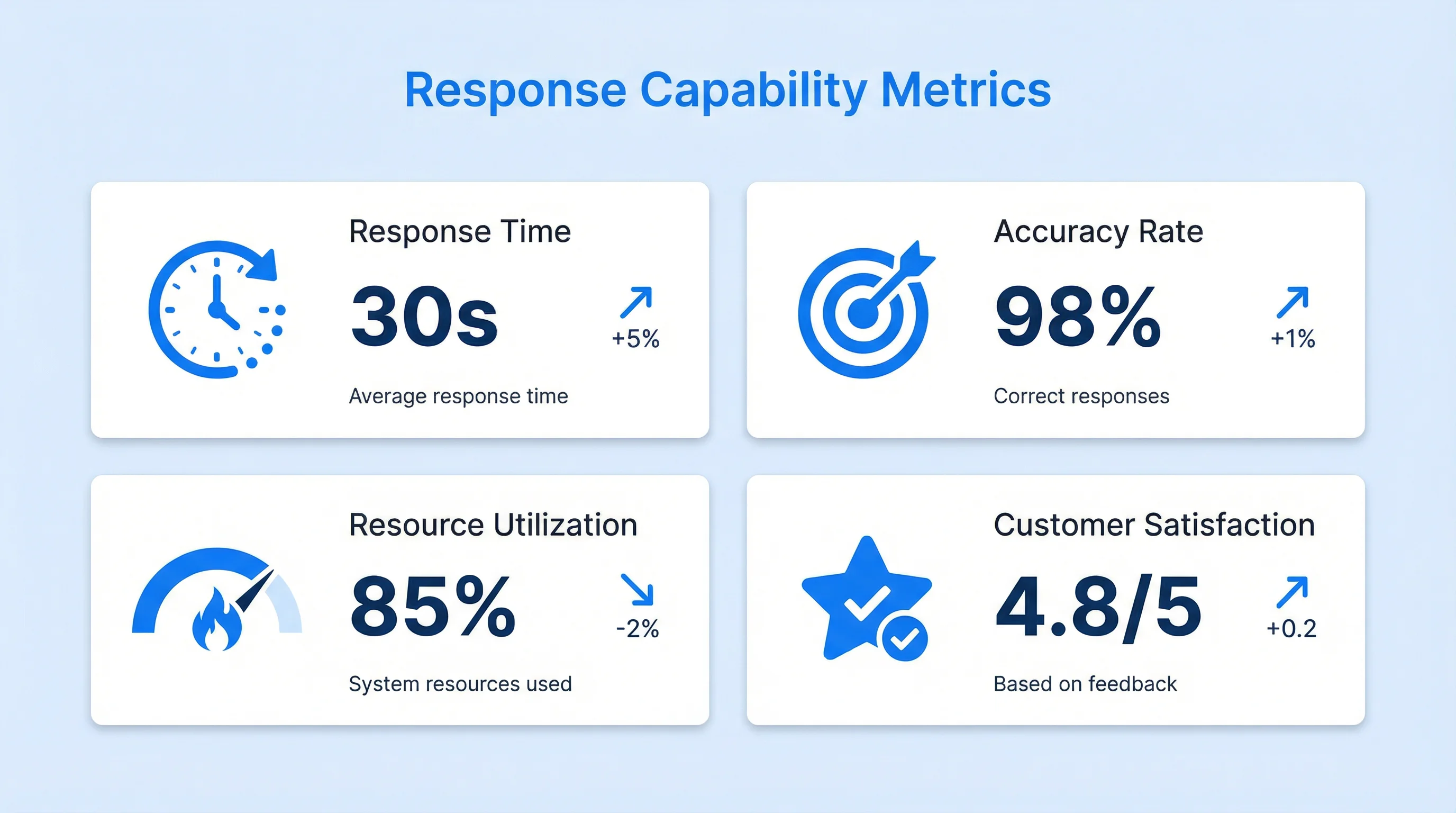
Figure 3.1: Key Performance Indicators for Response Capability Assessment
3.2 Intelligent Dispatching
Intelligent dispatching systems represent a critical evolution beyond traditional alarm response protocols that treated all alarms essentially identically regardless of their specific characteristics or context. Modern dispatching systems analyze multiple factors to determine the appropriate response for each alarm event including the type and severity of the alarm trigger, verification status and confidence level, location characteristics and vulnerability assessment, time of day and current occupancy status, historical alarm patterns for the location, and available response resources and their current locations. This multi-factor analysis enables dispatching systems to optimize resource allocation, ensuring that the most appropriate resources respond to each event with minimal delay.
Priority-based dispatching algorithms form the core of intelligent dispatching systems, automatically categorizing alarm events into priority levels that determine response urgency and resource allocation. High-priority events such as verified intrusions, panic alarms, or fire alarms trigger immediate dispatch of appropriate emergency resources with full emergency response protocols. Medium-priority events such as unverified alarms with some corroborating evidence might trigger security patrol response with monitoring center oversight. Low-priority events such as equipment malfunctions or environmental triggers might be handled through remote investigation and scheduled maintenance rather than immediate physical response. This graduated response approach ensures that critical resources remain available for genuine emergencies rather than being consumed by routine or low-priority events.
Geographic information system integration enables dispatching systems to optimize response routing and resource allocation based on real-time location data for both alarm events and available responders. When an alarm occurs, the system can automatically identify the nearest available security personnel, calculate optimal response routes accounting for current traffic conditions, estimate accurate arrival times, and provide turn-by-turn navigation to responders. This geographic optimization can reduce response times by thirty to fifty percent compared to traditional dispatching approaches that rely on manual resource selection and routing. The system can also identify situations where multiple responders should be dispatched simultaneously and coordinate their approach to ensure comprehensive coverage of the incident location.
3.3 Performance Metrics
Systematic measurement and analysis of response performance metrics provides the foundation for continuous improvement in response capabilities. Without rigorous performance measurement, organizations cannot identify weaknesses in their response processes, assess the effectiveness of improvement initiatives, or demonstrate the value of investments in response capability enhancement. Comprehensive performance measurement programs track multiple dimensions of response effectiveness including speed, accuracy, resource utilization, and outcomes, providing the data needed to drive ongoing optimization of response processes and technologies.
Response time metrics represent the most fundamental measure of response capability, tracking the elapsed time from alarm activation through various stages of the response process. Key response time measurements include time from alarm activation to monitoring center notification, time from notification to initial assessment completion, time from assessment to responder dispatch, time from dispatch to responder arrival at the scene, and total elapsed time from alarm activation to situation resolution. These granular measurements enable organizations to identify bottlenecks in the response process and target improvement efforts where they will have the greatest impact on overall response times.
Response accuracy metrics assess how effectively the response system identifies genuine security threats and deploys appropriate resources. Key accuracy measurements include the percentage of verified alarms that receive appropriate responses, the percentage of false alarms that are correctly identified before physical response is dispatched, the accuracy of threat assessment and priority classification, and the appropriateness of resources deployed relative to actual threat levels. High accuracy in these dimensions indicates that the response system is effectively distinguishing between genuine threats and false alarms while deploying resources proportionate to actual security needs.
| Performance Metric | Industry Average | Best Practice Target | Measurement Method |
|---|---|---|---|
| Initial Assessment Time | 120 seconds | 30 seconds | Automated timestamp analysis |
| Dispatch Decision Time | 180 seconds | 45 seconds | System event logging |
| On-Scene Arrival Time | 8-12 minutes | 4-6 minutes | GPS tracking integration |
| False Alarm Dispatch Rate | 85% | < 10% | Post-incident verification |
| Resource Utilization | 45% | 75-85% | Activity tracking analysis |
Resource utilization metrics provide insight into how efficiently security resources are being deployed and whether response capacity is appropriately sized for actual security needs. These metrics track the percentage of time security personnel spend responding to genuine security events versus false alarms, the average number of responders deployed per incident relative to actual requirements, the geographic distribution of response resources relative to alarm event patterns, and the availability of response resources during peak demand periods. Optimization of resource utilization enables organizations to maintain effective response capabilities while controlling costs and avoiding both over-staffing and under-staffing situations.
Outcome metrics assess the ultimate effectiveness of security responses in terms of their impact on security objectives. These metrics include the percentage of security incidents that are successfully resolved without loss or damage, the average value of losses prevented through effective alarm response, customer satisfaction with response services, and the deterrent effect of visible response capabilities on potential security threats. While outcome metrics can be more challenging to measure than process metrics like response times, they provide essential insight into whether response improvements are actually achieving their intended security objectives rather than simply optimizing process efficiency without corresponding improvements in security outcomes.
The systematic collection and analysis of these performance metrics enables organizations to implement data-driven continuous improvement programs that progressively enhance response capabilities over time. By identifying specific weaknesses in response processes, testing improvement initiatives, and measuring their impact on performance metrics, organizations can achieve substantial improvements in response effectiveness. Leading organizations that have implemented comprehensive performance measurement and continuous improvement programs have achieved response time reductions of forty to sixty percent, false alarm dispatch reductions exceeding ninety percent, and measurable improvements in security outcomes, all while reducing overall response costs through improved resource utilization. These results demonstrate that systematic attention to response capability enhancement can deliver transformative improvements in alarm system effectiveness.